My story didn’t start in a classroom
I first noticed lumps when I was 19. I was in a deeply painful relationship, my mental health was at its lowest, and I knew something was wrong. But nobody took me seriously.
It took four years to get a diagnosis.
At 23, I was finally told I had non-Hodgkin’s lymphoma. The three months it took to get that diagnosis were some of the darkest of my life - and somewhere in the middle of them, I found out I was pregnant.
Six weeks along. Newly diagnosed with cancer. Terrified.
My doctors told me I could have my baby, and we’d look at treatment afterwards. They warned me the high growth hormones in my body would likely make things worse. So I monitored every two weeks, held my breath, and hoped. After my baby was born and the scans came back - it was gone. My body had done something remarkable.
Then in 2020, after another devastating season of life, it came back. And this time it was worse. My spleen went from 9 to 17 centimetres. I could push on my stomach and physically feel the tumour. The lymphoma had spread through my entire abdomen.
They removed a lymph gland to confirm it, and my next appointment was booked straight into treatment. No real conversation about options. No time to think.
My naturopath ran a blood panel called. RGCC test - it takes your live cancer cells and test them against a wide range of treatments, both natural and conventional, to measure how sensitive your specific cancer is likely to respond to each treatment. It’s personalised in a way that standard oncology simply isn’t. The treatment the hospital wanted to give me had a 16% sensitivity rating. There were other options with higher ratings, but because of the PBS, Australia’s Pharmaceutical Benefits Scheme - the hospital could only offer what was government funded, regardless of what the testing showed would work best for my body.
I turned up not knowing it was a treatment appointment. And something inside me froze. My body just said no. I couldn’t go through with it - I walked away. It wasn’t a decision I made sitting at a desk weighing up pros and cons. It was something deeper than that. A knowing.
That was the moment I committed fully to finding another way.
So I went down the rabbit hole. Podcasts. Books. Research. I consumed everything I could find about the body’s ability to heal itself. And water fasting kept coming up. It made sense to me on a deep level - giving the body complete rest so it could focus everything on healing.
In 2023, I flew to America and did my first 14-day water fast.
After that fast, I had scans. The lymphoma that had been throughout my entire stomach had almost completely cleared. My spleen was still showing some activity, but the change was undeniable.
When I got home, I built a full protocol around what I had learned. I went whole food plant-based and threw myself into my own version of Gerson Therapy - two litres of fresh carrot juice every day, two coffee enemas daily, and a supplement protocol guided by my naturopath. I fasted for 48 hours every week and used my near-far infrared sauna five times a week.
But the part that surprised me most was the emotional work. I could see the pattern now - both times the cancer had shown up, it followed the most painful periods of my life. So I went deep. Tuning fork therapy, hypnotherapy, plant medicine, breathwork. I started to understand that my body hadn’t turned against me - it had been trying to get my attention for a very long time.
Healing wasn’t just about what I ate or what protocols I followed. It was about becoming someone my body felt safe being.
I’ve since done a 10-day and another 14-day water fast. All my cancer markers are within normal range. My energy - which had been so depleted I struggled to get through a day - has returned. I’m still here. And I feel better than I have in years.
I can’t tell you I’m in remission, because I haven’t been back to the hospital. What I can tell you is that I have lived this. I have been the person lying awake at night, terrified, feeling like the system had nothing real to offer me. I have made radical, frightening choices because I believed my body was capable of more.
And I built Omura Wellness because I know I’m not the only one who has felt that way.
If you’re searching for another way — I see you. And I’m here. 🌿
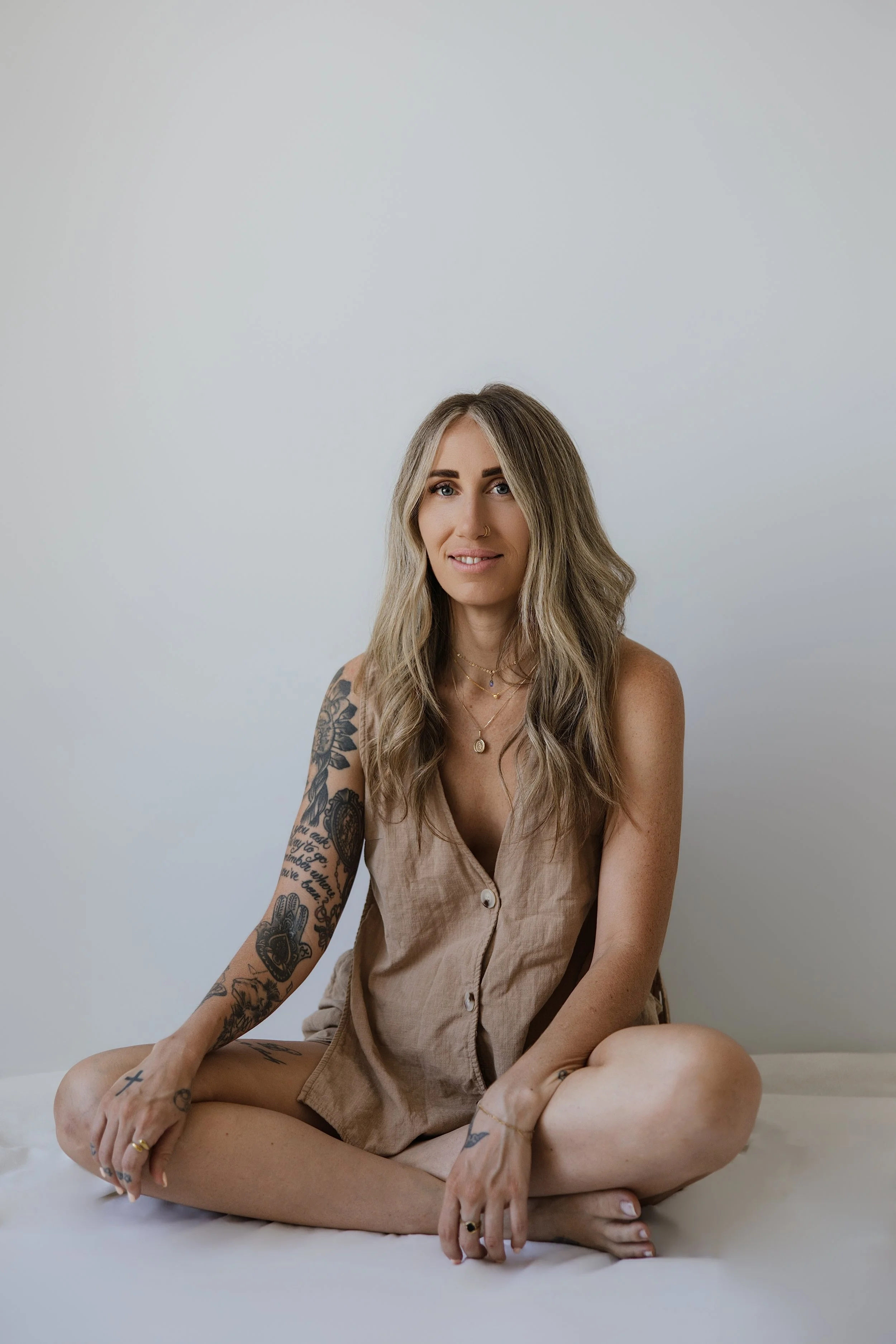
Dietitian
Dietitian’s are university-trained and government-registered, working primarily within the conventional medical system. Their approach follows standardised dietary guidelines and is designed to work alongside your GP or specialist.
Nutritionist
A nutritionist focuses on food, diet and general health education. In Australia the title is unregulated and unprotected, meaning the level of training can vary significantly from practitioner to practitioner.
So, what makes a Functional Nutritional Therapy Practitioner different - and which type of practitioner is right for you?
There are a lot of titles in the health and nutrition space. Here’s a simple breakdown to help you understand the difference and find the right fit for where you are.
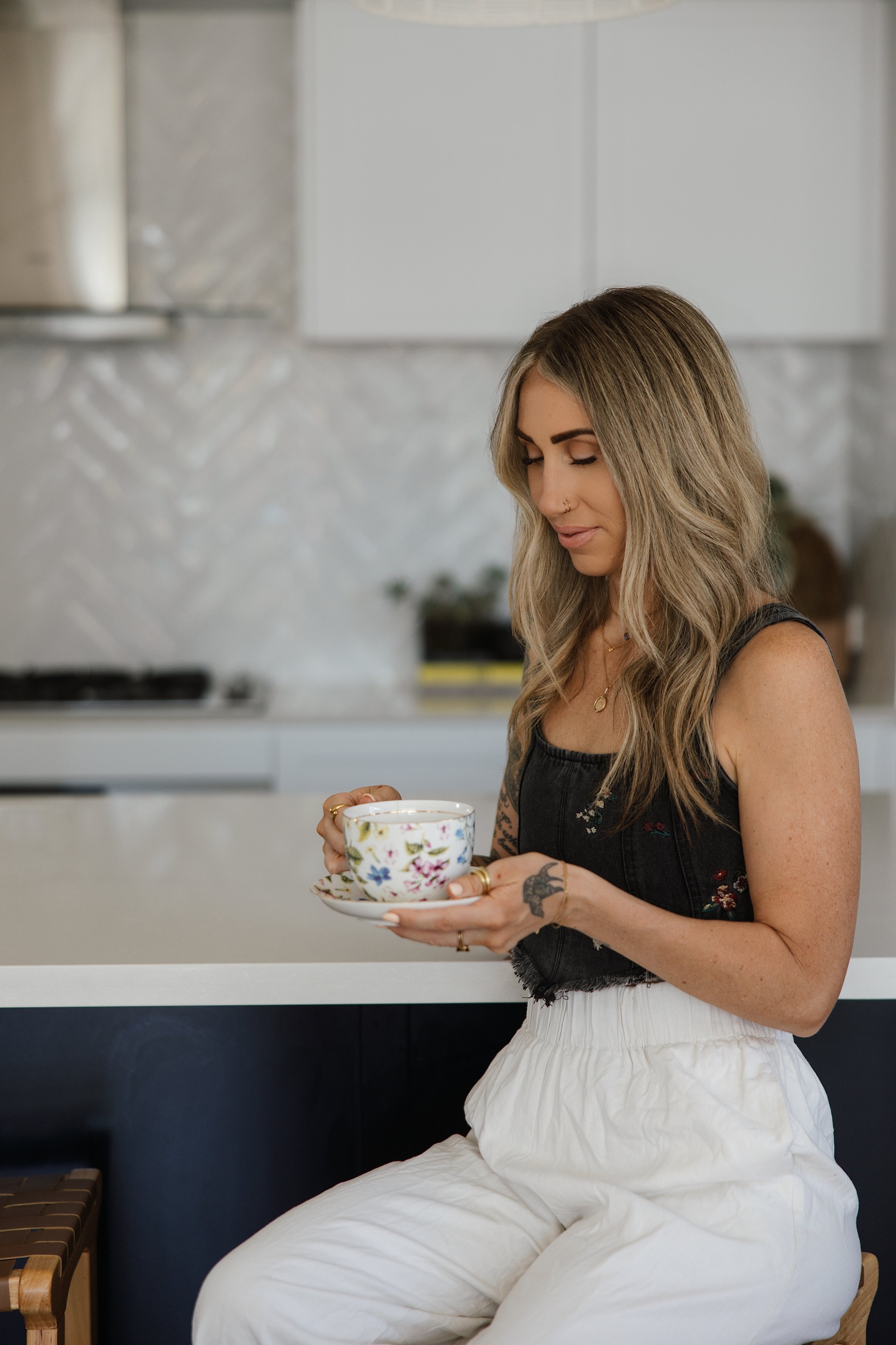
Functional Nutritional Therapy Practitioner
A Functional Nutritional Therapy Practitioner goes beyond food. Rather than managing symptoms, the focus is on finding the root cause - asking why the body is struggling, not just what to do about it. Every recommendation is bio-individual, meaning it’s built around your body, your history, and your life.
As a qualified FNTP trained through NTA Australia and registered with IICT, I work with people who feel like something is off but haven’t been able to find answers. Using a Functional Clinical Assessment, I’m able to test how your body responds to specific nutrients through biofeedback - identifying what is lacking and what your body is actually asking for. From there we build a plan around therapeutic foods and lifestyle changes first, with supplements as an option where needed.
We start where your body needs us to start.
If you’re ready to stop managing symptoms and start understanding your body, functional nutrition might be exactly what you’ve been looking for
Ready to take the first step?
If something in what you’ve read has resonated with you, I’d love to hear from you. Book a free discovery call and let’s talk about where you are and how I can support you.
Can’t wait to connect, Samantha x